
our vision
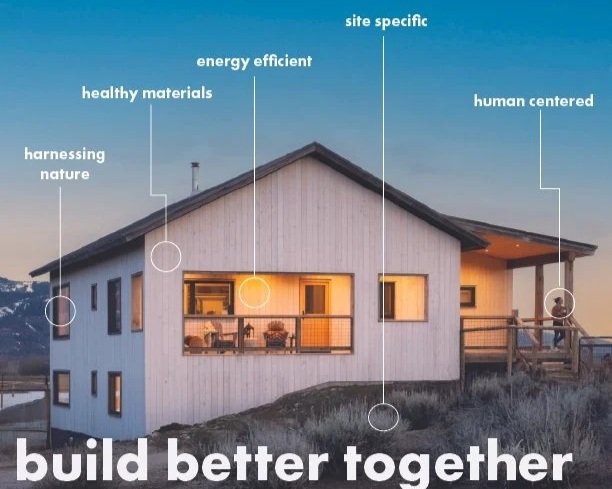
With respect for human and ecological health, buildings can create or do more than they take. we design with principles of health, efficiency, and circular economy.
imagine creating something that stores carbon rather than emits it, improves occupant well-being, strengthen the local economy, and supports ecosystems…
we offer full-service design, consulting, educational and subcontracting services to guide architects, contractors, and owner/builders to implement elegant, regenerative systems and materials into their practice and construction projects.
our values
-
is a solid foundation
-
builds trust and strong relationships
-
is as important as outcome
-
enables efficiency
-
is creating more than we take
our foundation
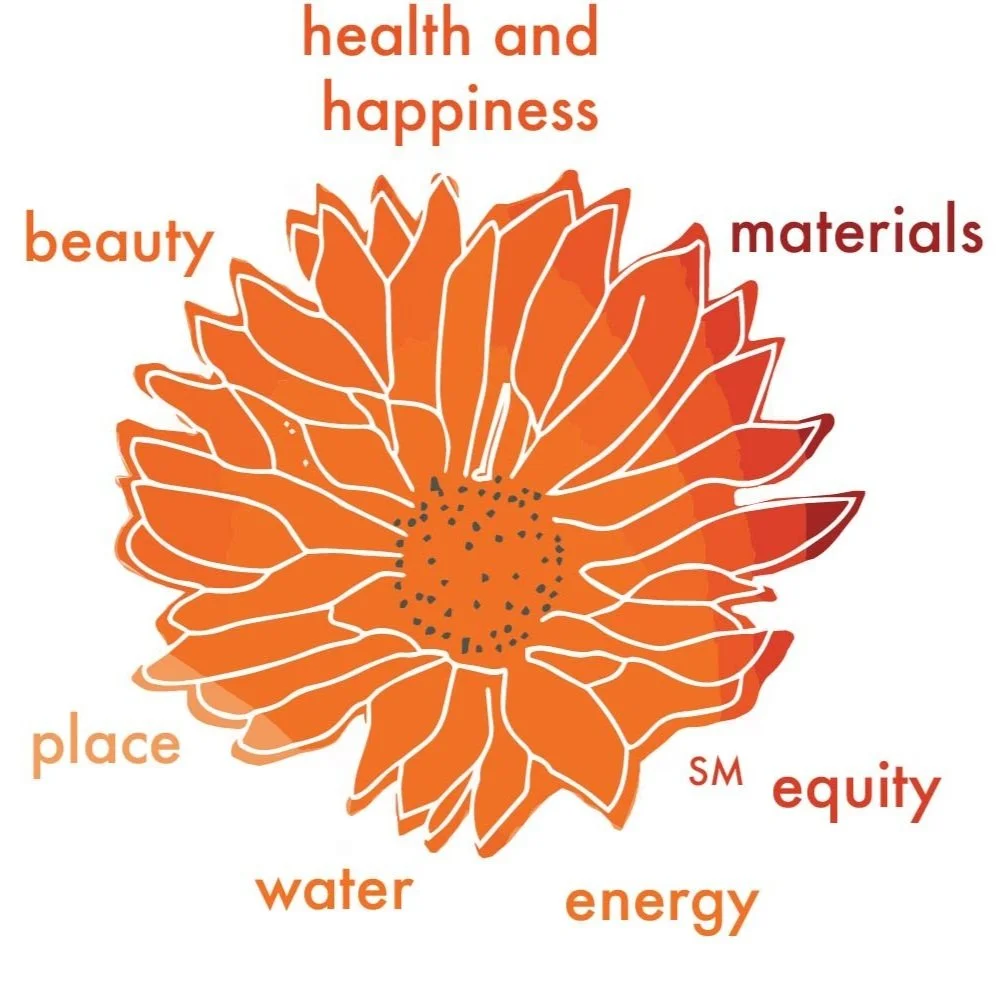
living future principals
the living future institute hosts the most holistic sustainability certification system. the principals behind it can be a guide for any project to be beautiful, sustainable, and even regenerative.
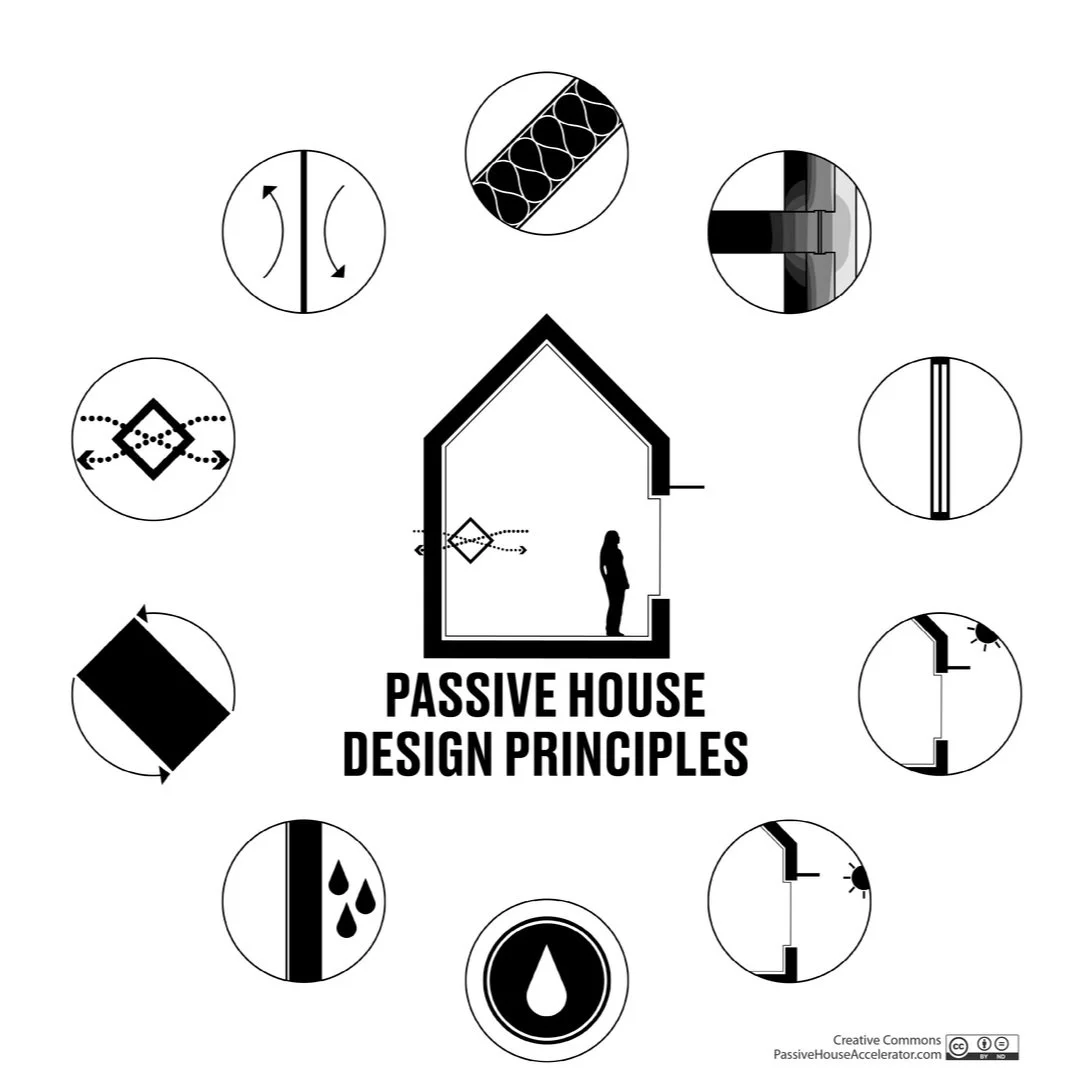
passive house strategies
the passive house institute and the passive house institute us have developed certification systems that are specific to building performance and are extremely effective at reducing operational emissions. the strategies are primarily about the building enclosure, with the addition of constant filtered fresh air.
knowledge of building science is imperative when employing these strategies, especially in a cold climate. when done incorrectly, condensation and mold can occur.
WHO WE WORK WITH
ARCHITECTS/ DEVELOPERS
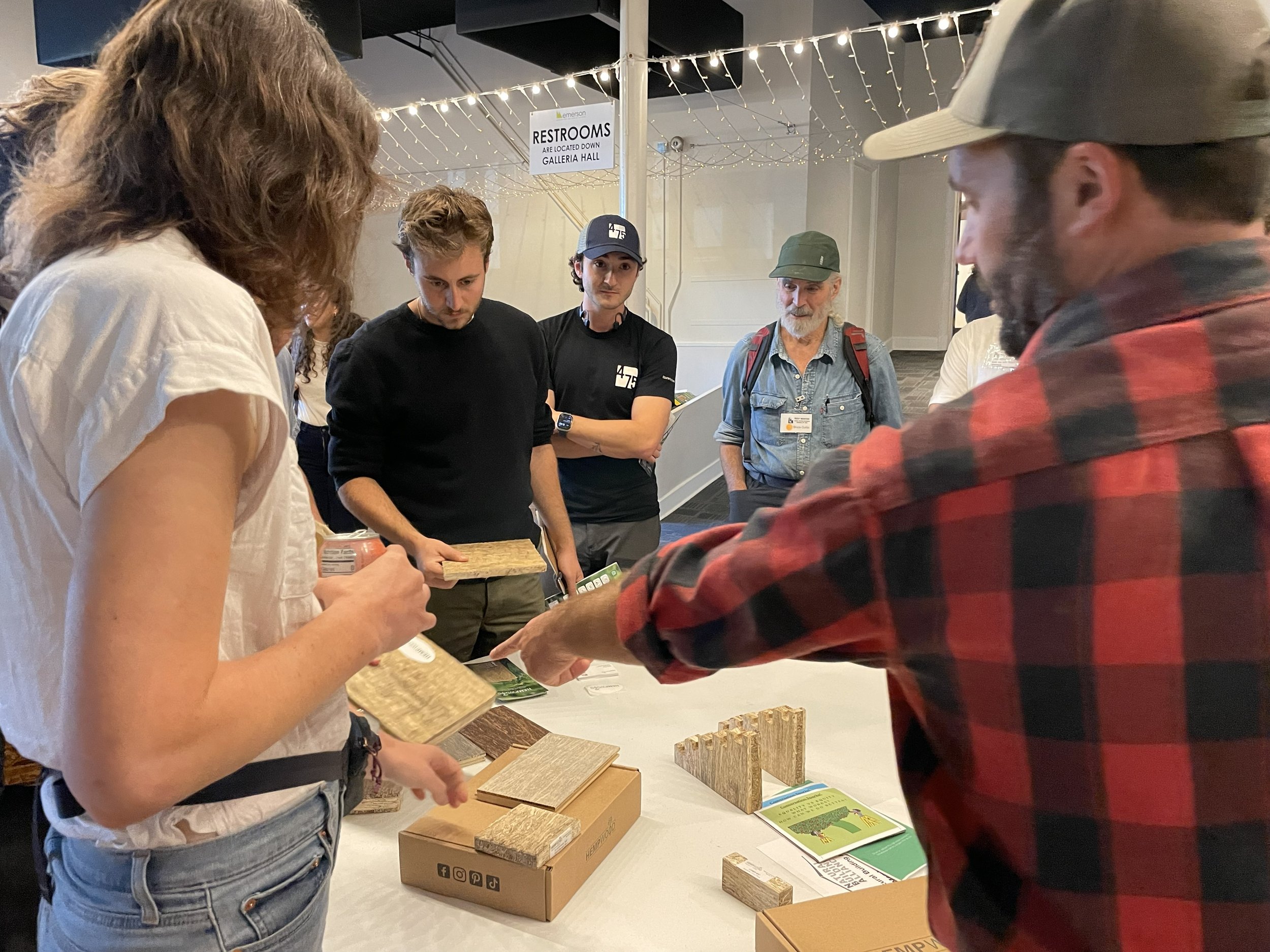
For design professionals looking to push beyond conventional materials and methods. We help bring regenerative ideas into the design process through material research, assembly development, building science, and practical detailing. Whether you're exploring a new material or working through the finer points of a wall assembly, we're here to help connect the vision to the reality.
BUILDERS
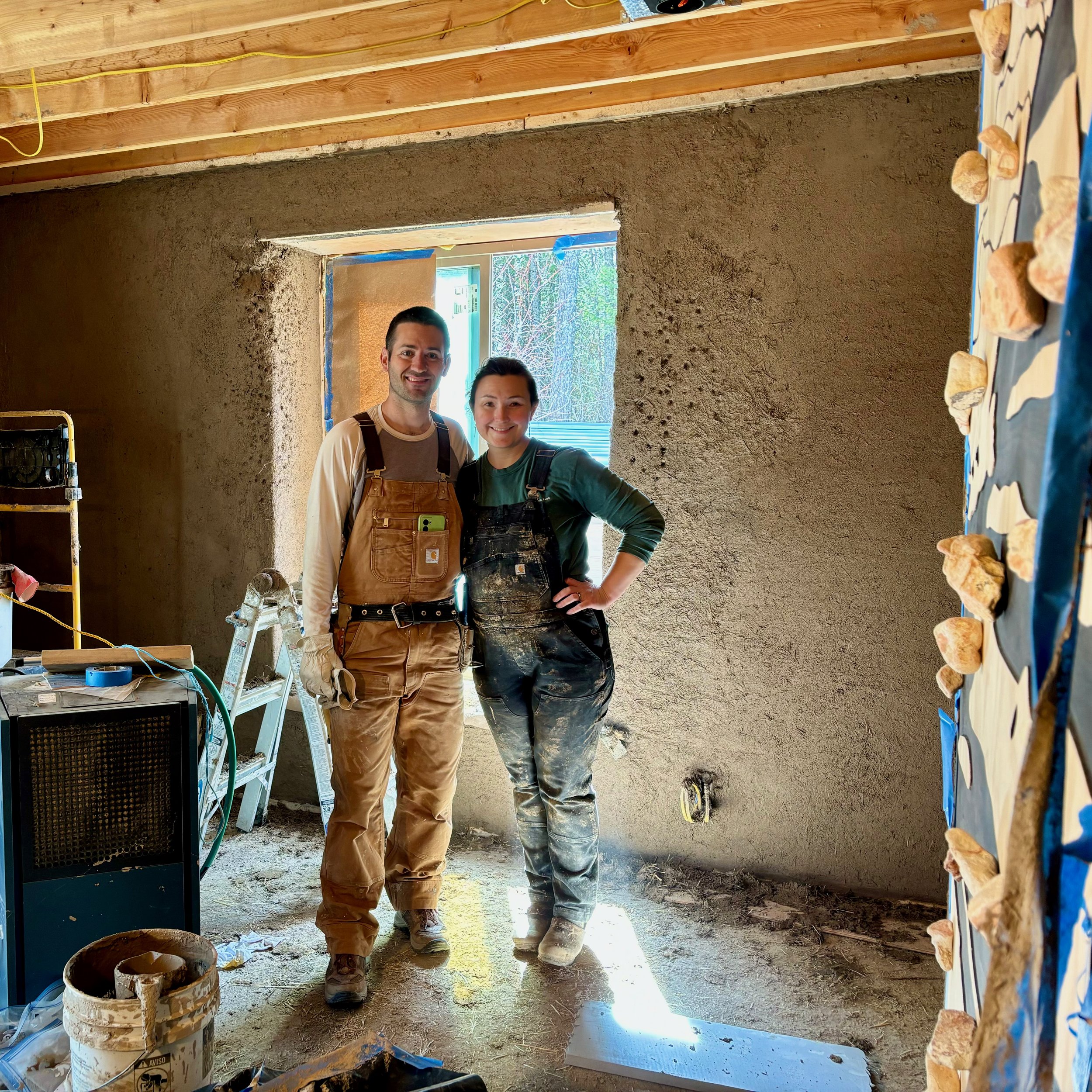
For the people who turn drawings into buildings. We work alongside builders and contractors to explore new materials, understand unfamiliar construction methods, and work through the details that make innovative assemblies buildable. Our goal is to make regenerative building more approachable, practical, and predictable in the field.
Our work is for the people shaping the future of the built environment. From architects and builders to developers, INDIVIDUALS, institutions, and community organizations, WE COLLABORATE at every stage of the building process, helping turn curiosity into practical solutions and regenerative thinking into real-world results.
PROJECT OWNERS
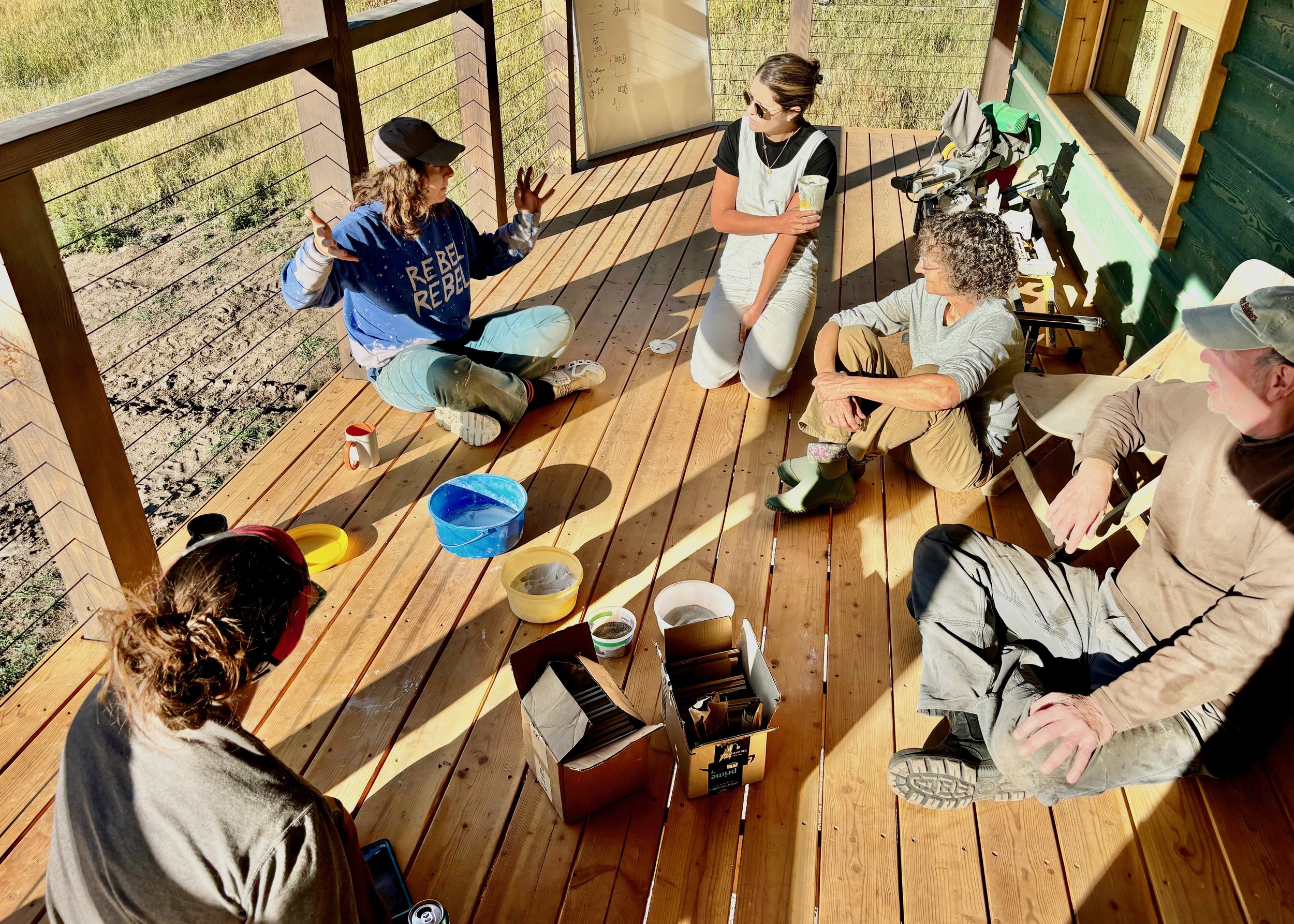
For those who want their projects to do more than meet the minimum. We help YOU make informed decisions about material selection, building performance, environmental impact, and long-term value. From early planning to implementation, we help identify opportunities to build healthier, more resource-efficient places without losing sight of budget, schedule, or feasibility.

Educators / Organizations
For schools, nonprofits, industry groups, and organizations working to change the way we build. We develop opportunities to share knowledge, bring people together, and make regenerative building more accessible through workshops, presentations, demonstrations, and hands-on learning. Because the more we share what works, the further good ideas can go.
“i have learned more in this hour regarding sustainable design than in the past ten years”
idaho architect
"Lindsey managed and taught over 30 volunteers in two days. She was extremely competent on-site and has an approachable leadership style. "
montana owner/builder
"this design iteration is just what i was looking for. efficiently crafted design models are beneficial for my clients to quickly understand concepts without getting into the weeds."
colorado designer/builder
"thank you for bringing your energy! the tadelakt workshop was the most empowering aspect of my building project!"
utah design/build client
how we help

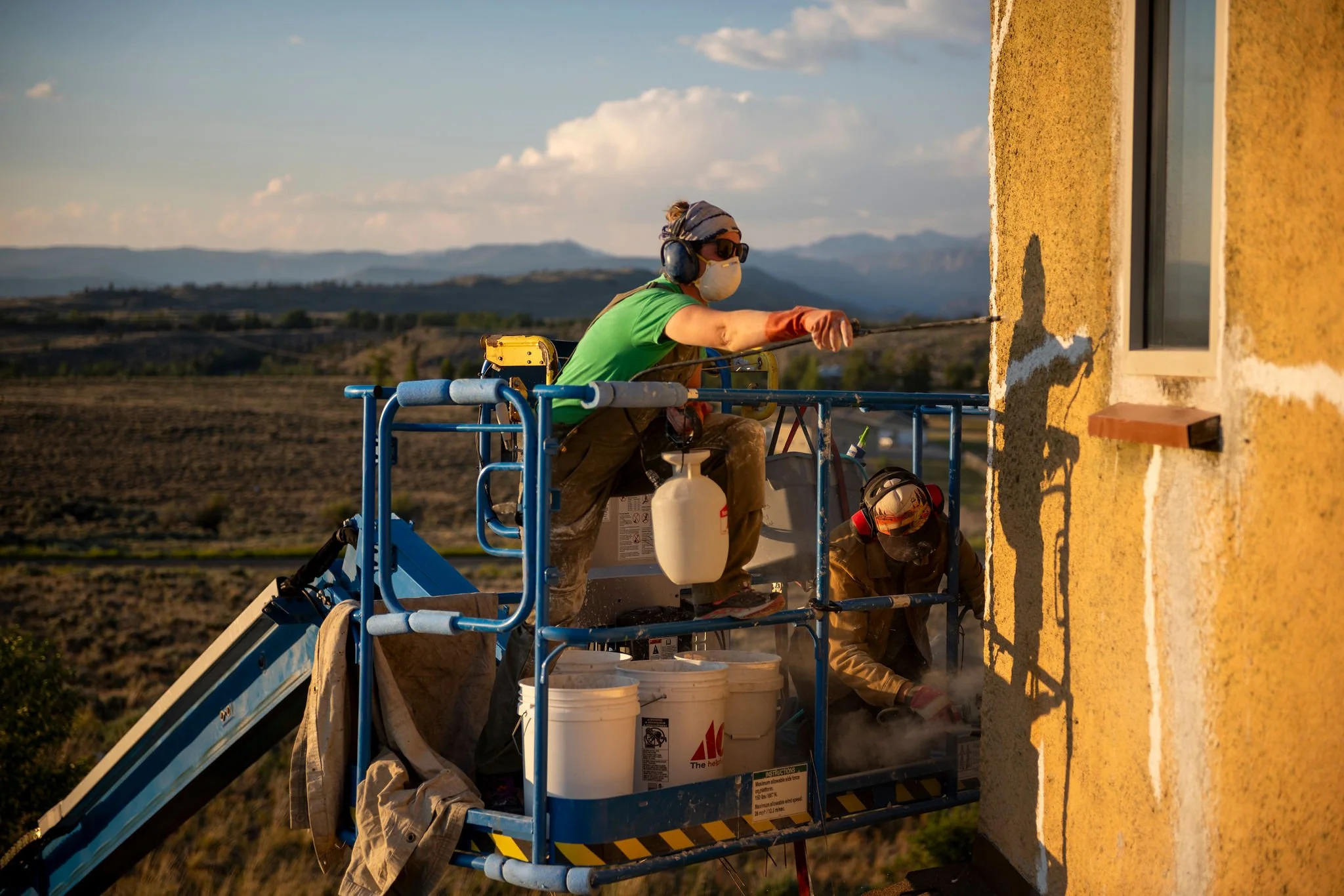
we identify cost-effective, market-ready solutions based on your priorities

our tools and skills integrate seamlessly into your project, whether as an active team member or in the background

we cut down the time your team spends on research, development, and learning

access our national and international network of material providers, producers, and installers

we add lasting value to your project—offering peace of mind, enhanced health, productivity, comfort, and cost savings for your clients

with our expertise in regenerative building, we help you get up to speed faster and work more efficiently
solutions
The construction sector accounts for 40-60% of total carbon emissions, 30–40% of solid waste production, around 16% water usage, and more than 40% of raw materials consumption
but it does not have to…
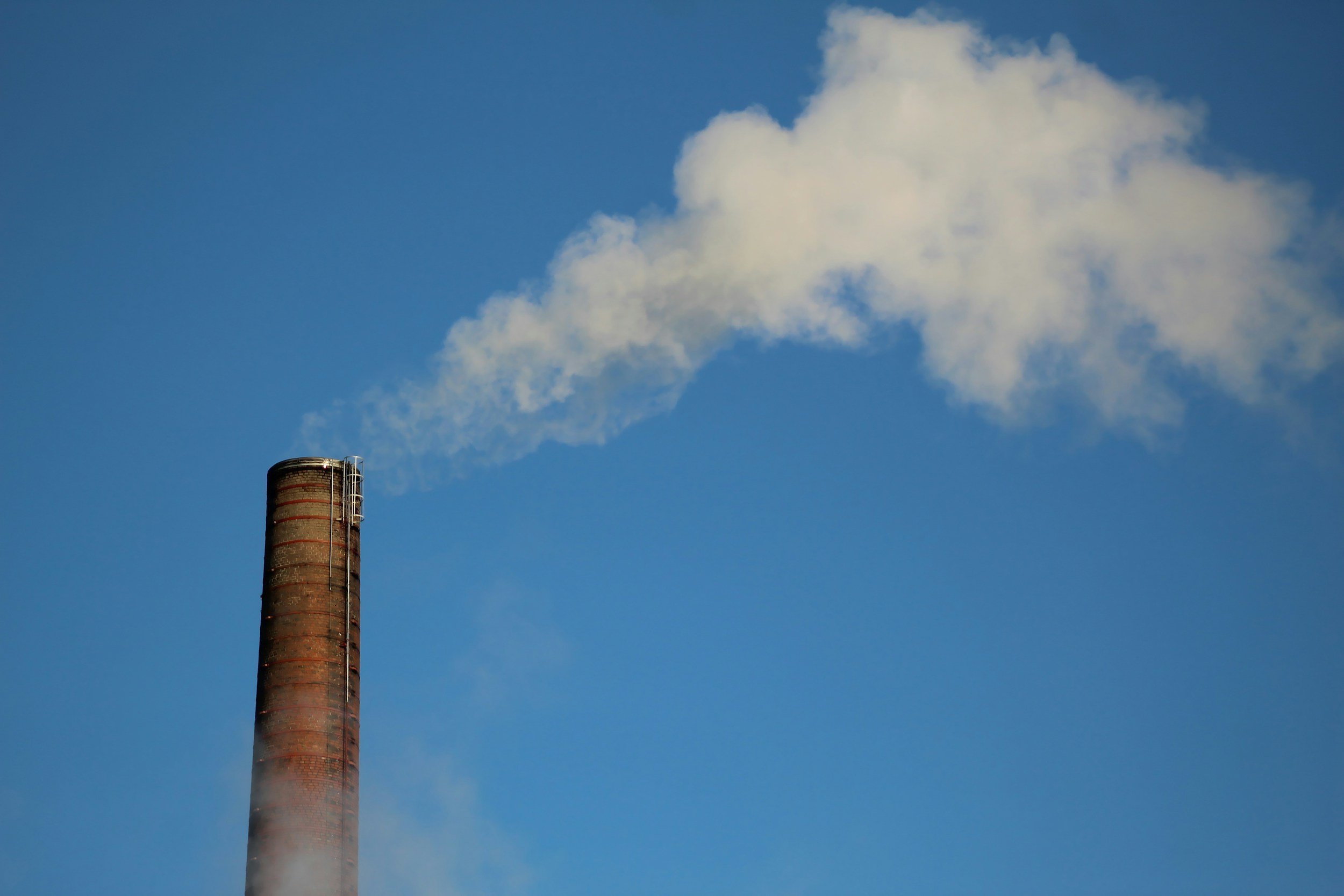
carbon
Buildings have a significant impact on energy use and pollution, but they also offer an enormous opportunity to make a positive difference. We help identify passive design strategies and thoughtful material choices that reduce operational and embodied emissions while enhancing overall building performance.
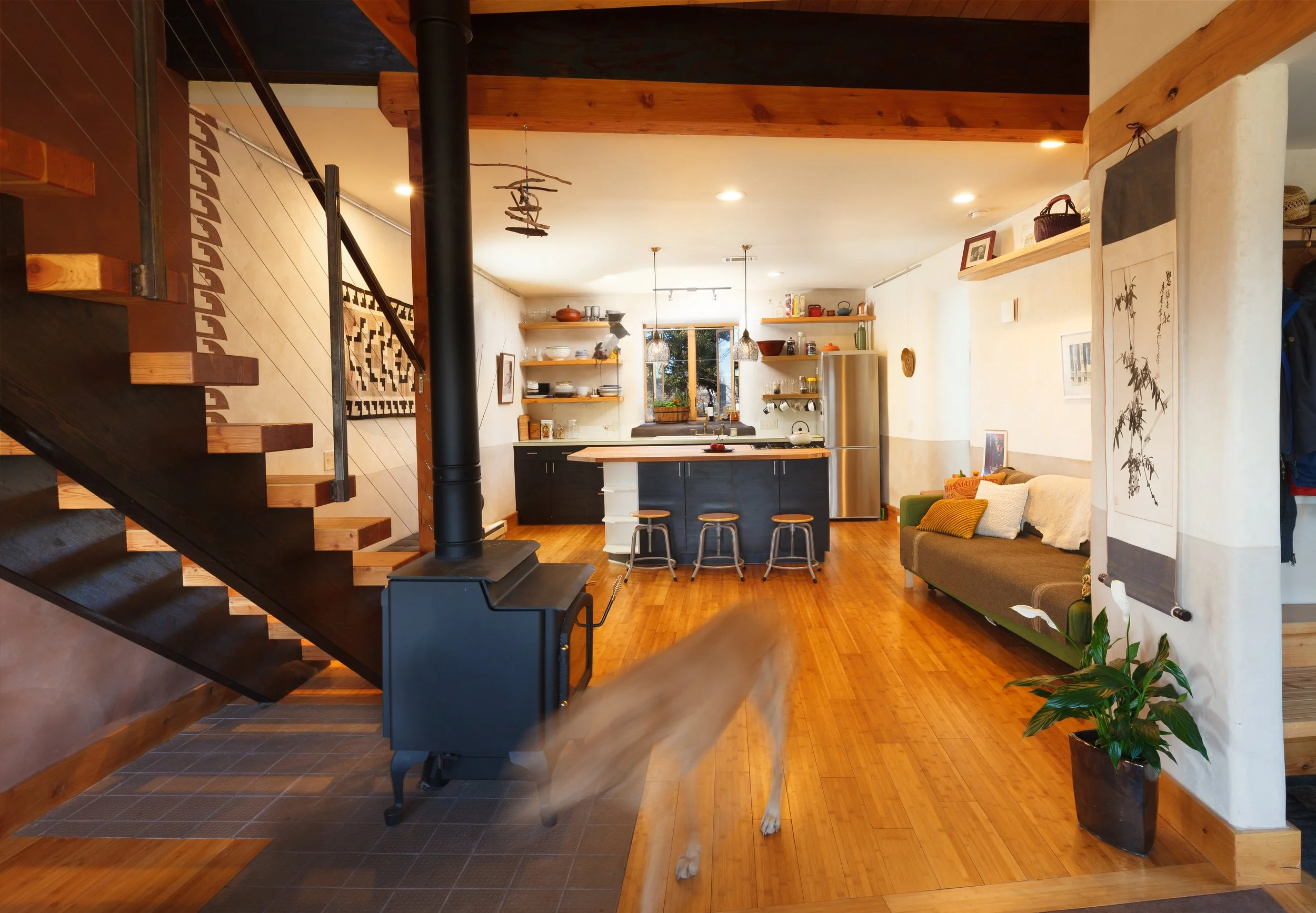
Plant-based materials such as wood, straw, and hemp can help store carbon within buildings, turning naturally renewable resources into valuable building materials. Often locally sourced or readily available, these materials can serve a variety of purposes, including structural applications and insulation. Less-processed mineral materials, such as clay and lime, offer durable, beautiful finishes while supporting healthier indoor environments.
The best combination of strategies and materials is always shaped by the project's design, climate, and unique needs.
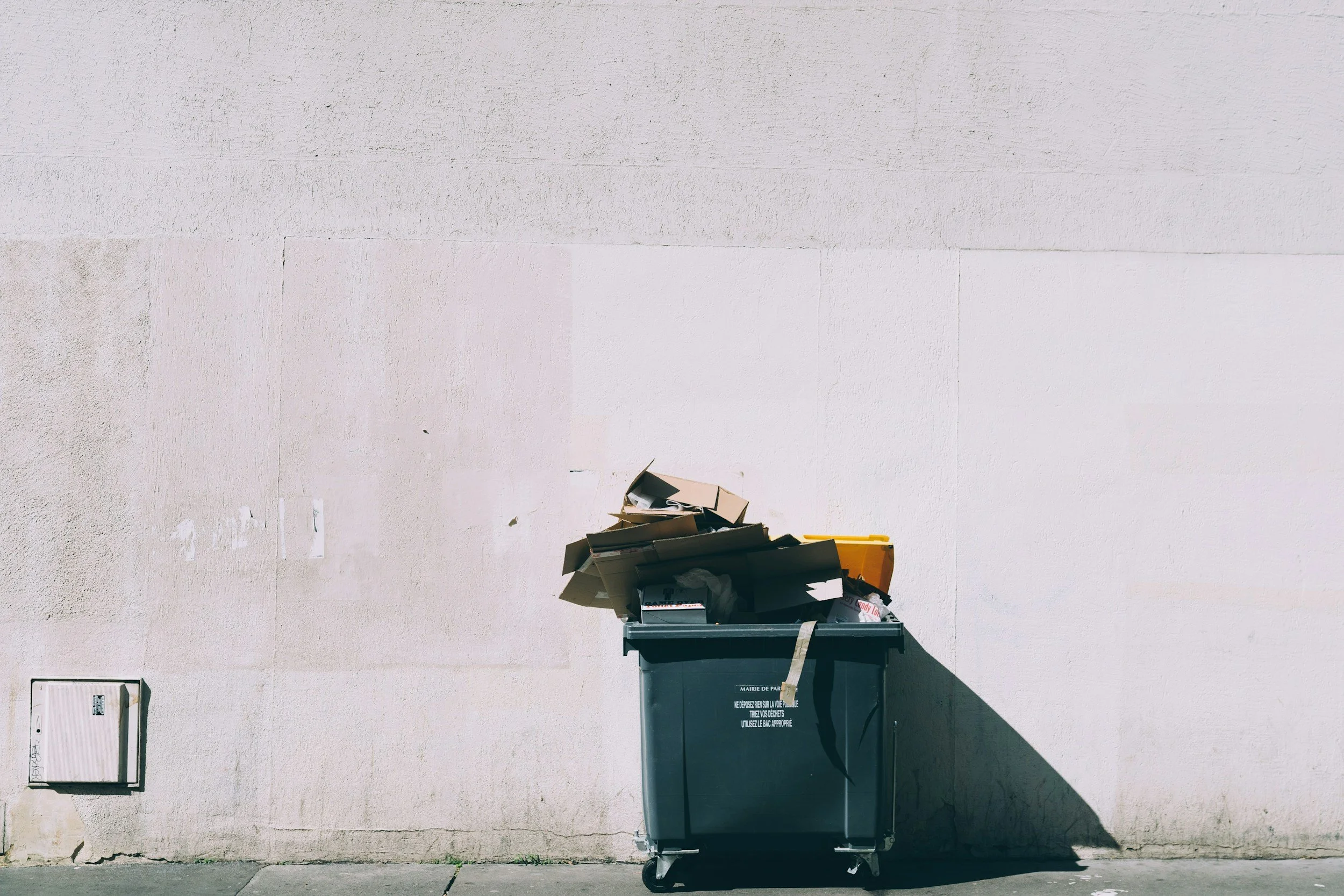
waste
Construction projects generate a significant amount of waste, with an estimated 10% of materials often discarded and sent directly to landfills. We believe much of this waste can be avoided through thoughtful planning, responsible material selection, and better design decisions from the start. We help identify products and materials that minimize waste, avoid harmful impacts, and offer opportunities for reuse, recycling, or biodegradation at the end of their useful life.
By considering material dimensions, standard product sizes, and construction methods early in the design process, we can reduce unnecessary offcuts and make better use of the resources that go into every project. We also look for opportunities to incorporate reclaimed, salvaged, and locally available materials, keeping valuable resources in use and reducing the need for new production. The goal is to move away from a take-make-dispose approach and toward a more circular way of building—one where materials are valued, waste is minimized, and fewer resources end up in the landfill.
cost
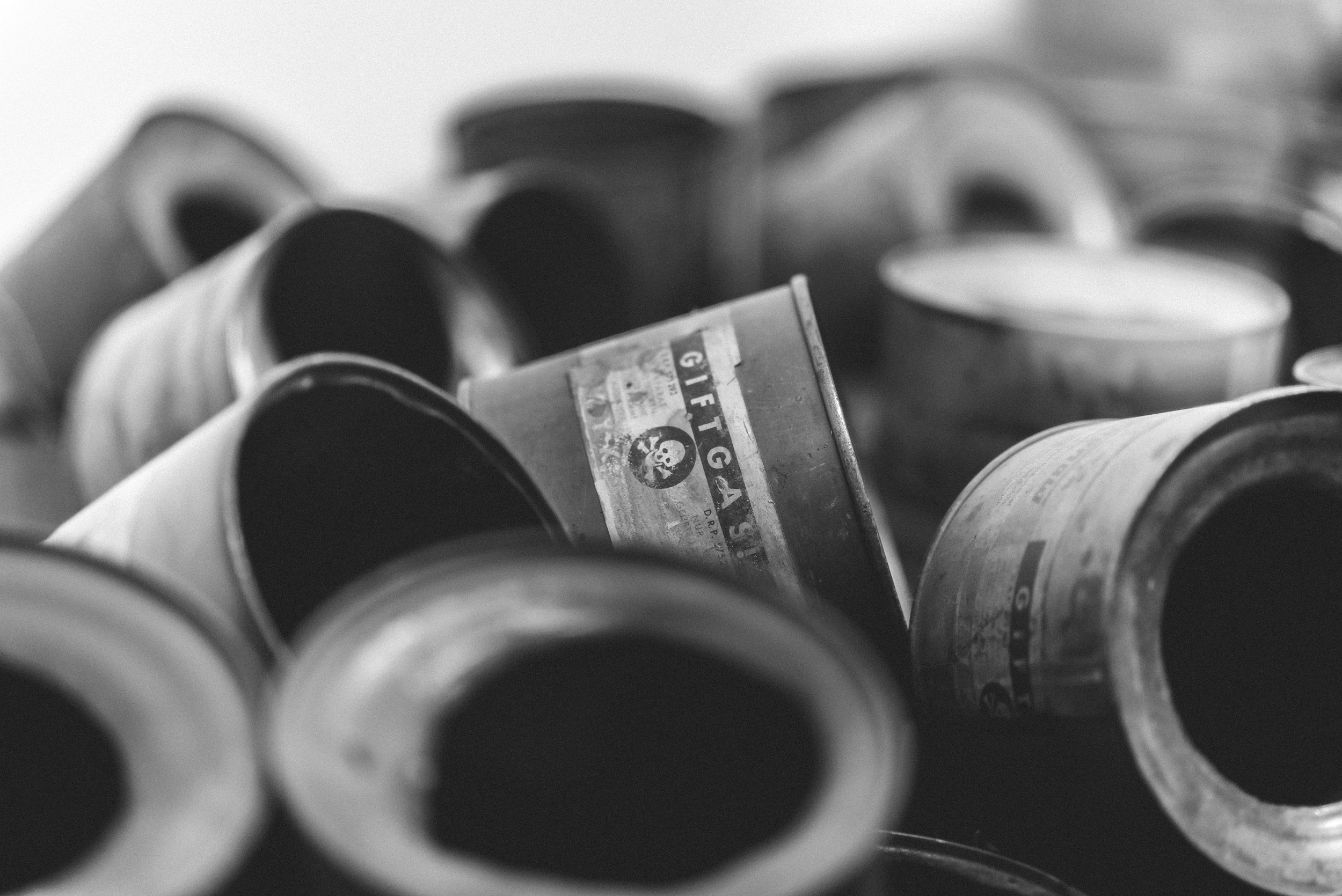
We spend nearly 90% of our time indoors, making the health of our indoor environments an important part of overall well-being. Yet, building materials, inadequate ventilation, and poorly designed assemblies can introduce harmful chemicals and contribute to excess moisture, mold, and mildew—all of which can negatively affect indoor air quality and human health. Exposure to certain chemicals has been linked to endocrine disruption, cancer, allergies, and asthma.
We help reduce these risks by prioritizing non-toxic, plant- and mineral-based materials wherever possible. When these materials aren't practical or cost-effective, we identify alternative strategies to minimize harmful exposures through thoughtful product selection, proper assembly design, moisture management, and effective air filtration.
With growing transparency around material ingredients and increasing access to healthier products and ventilation systems, there are more opportunities than ever to create healthier indoor spaces. Knowing which materials to choose, where compromises can be made, and how to balance health, performance, and cost is where we can help.

pollution
Pollution associated with construction occurs both during material production and at the end of a building's life. Choosing natural, non-toxic materials can help prevent contamination from the start. When used appropriately, biodegradable materials can return to the earth and support healthy ecosystems, while mineral-based materials like clay and lime can often be reused.
Many conventional building products contain substances that are highly polluting to manufacture and harmful to human and environmental health. PVC, commonly found in luxury vinyl flooring, is one example. Construction and demolition waste also accounts for roughly one-third of global waste. By prioritizing healthier materials, reducing waste, and considering the full lifecycle of building products, we can help minimize pollution from beginning to end.

toxins
cold climate mountain towns like jackson hole, bozeman, sun valley and teton valley all share similar problems.
when we examine the process and the costs holistically, we find out of the box strategies that work well for your project.
we also guide you with perspective to create and maintain appropriate goals.
high cost markets can be challenging to understand and navigate. many of the problems compound: additional engineering and structure requirements, additional insulation, high labor rates, and lack of qualified and reliable sub-contractors. our small pools of tradespeople results in a lack of competition in the market.
there are management tools that can be used during the design and procurement process to reduce cost overruns.