
Live on Zoom - monthly from june to november - 12 to 1 pm
Student /emerging professional/non-profit $150.00 for 6 sessions
Ideal for students and those in the first five years of their architecture, engineering, or construction career. Gain access to all six sessions, resources, and recordings to deepen your real-world understanding of low carbon, high performance building.
Designed for licensed professionals or those actively working in the building industry. This tier includes full series access, live networking opportunities, session recordings, and actionable takeaways for immediate application in your practice.
industry professional
$300.00 for 6 sessions
group rate
$700.00 for 6 sessions
(one time fee - includes access to all six sessions)
Perfect for firms or teams wanting to learn together. One flat rate covers unlimited attendance for your office, making it easy to share knowledge and align around sustainable, high-performance design strategies.
Build Better Together: A 6-Session Professional Series for the Building Industry
Session 1 — june 24
Myths
Rethinking sustainable construction
Unpacking the gap between sustainable design aspirations and real-world delivery. Discussions surrounding the breakdowns in execution and explore strategies to maintain sustainable values throughout each project phase. More sustainable buildings, in general, contribute to the well-being of society and ecosystems. Small firms are often challenged by cultural and market barriers to execution of these principles. Participants will learn how a Sustainable Action Plan, specifically setting manageable goals and making internal cultural shifts will help them break through these barriers.
Session 2 — July 22
Tools
Do certifications actually matter?
This session considers the role of certifications not as checklists, but as frameworks that can educate and tell a more meaningful story. When used well, certifications can be tools for agency, not just awards. By understanding the criteria within these certifications, architects can specify materials, systems, and design strategies that reduce occupant exposure to toxins, improve indoor air quality, enhance accessibility, and ensure energy efficiency that maintains thermal comfort while reducing environmental impact. The course also addresses how to navigate cost and complexity concerns to make these benefits accessible to more communities, thereby extending the positive health and safety impacts of sustainable building practices.
Session 3 — aug 26
Performance
Passive House explained
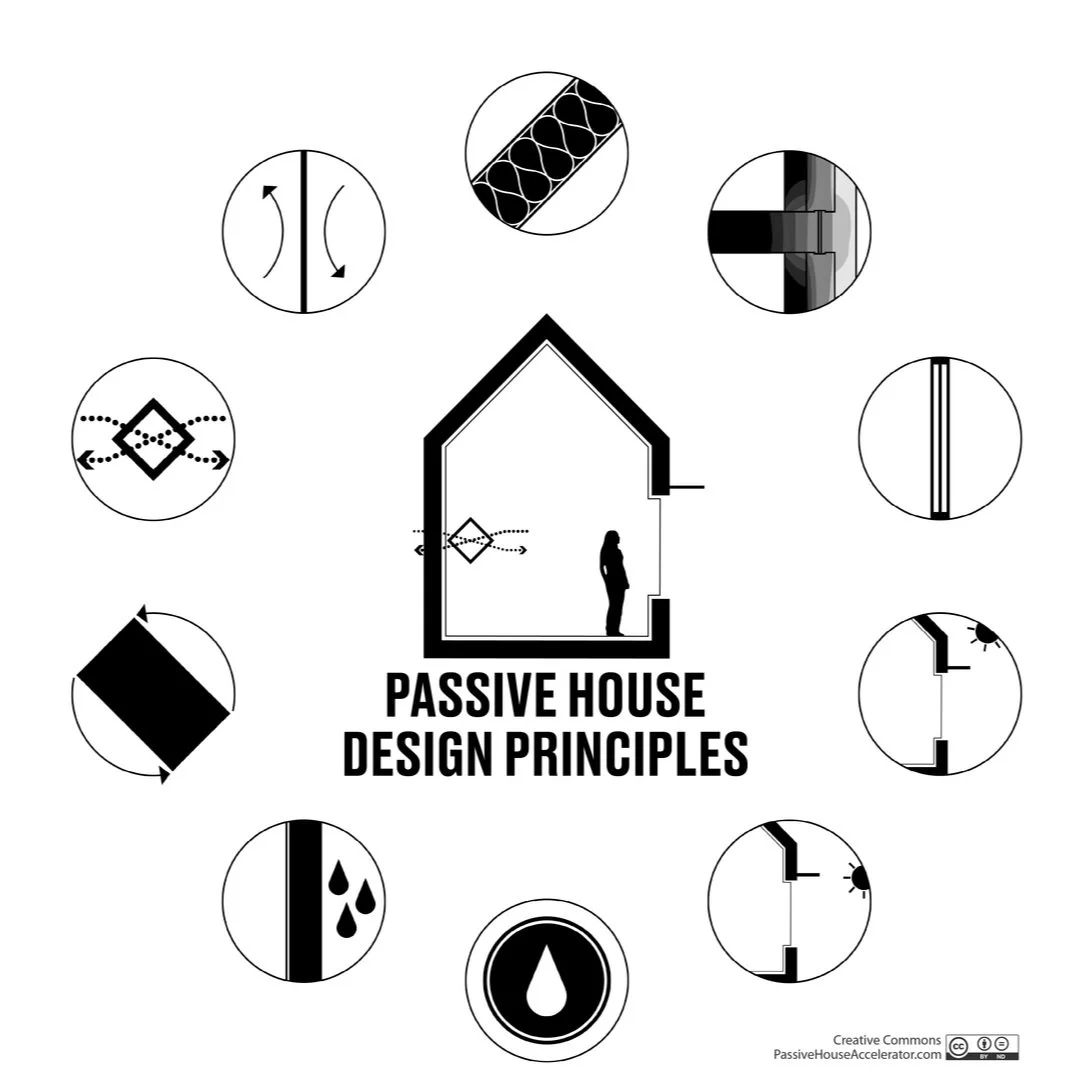
Dive into the design decisions that matter most: envelope, orientation, ventilation, and material efficiency. This session offers tactical insight into Passive House principles and other envelope-first strategies that can be applied in cold climates. we’ll also discuss the upfront investments, roi, and overcoming the challenges to efficient execution in the field.
Session 4 — sept 23
Materials
Healthy materials, healthy homes
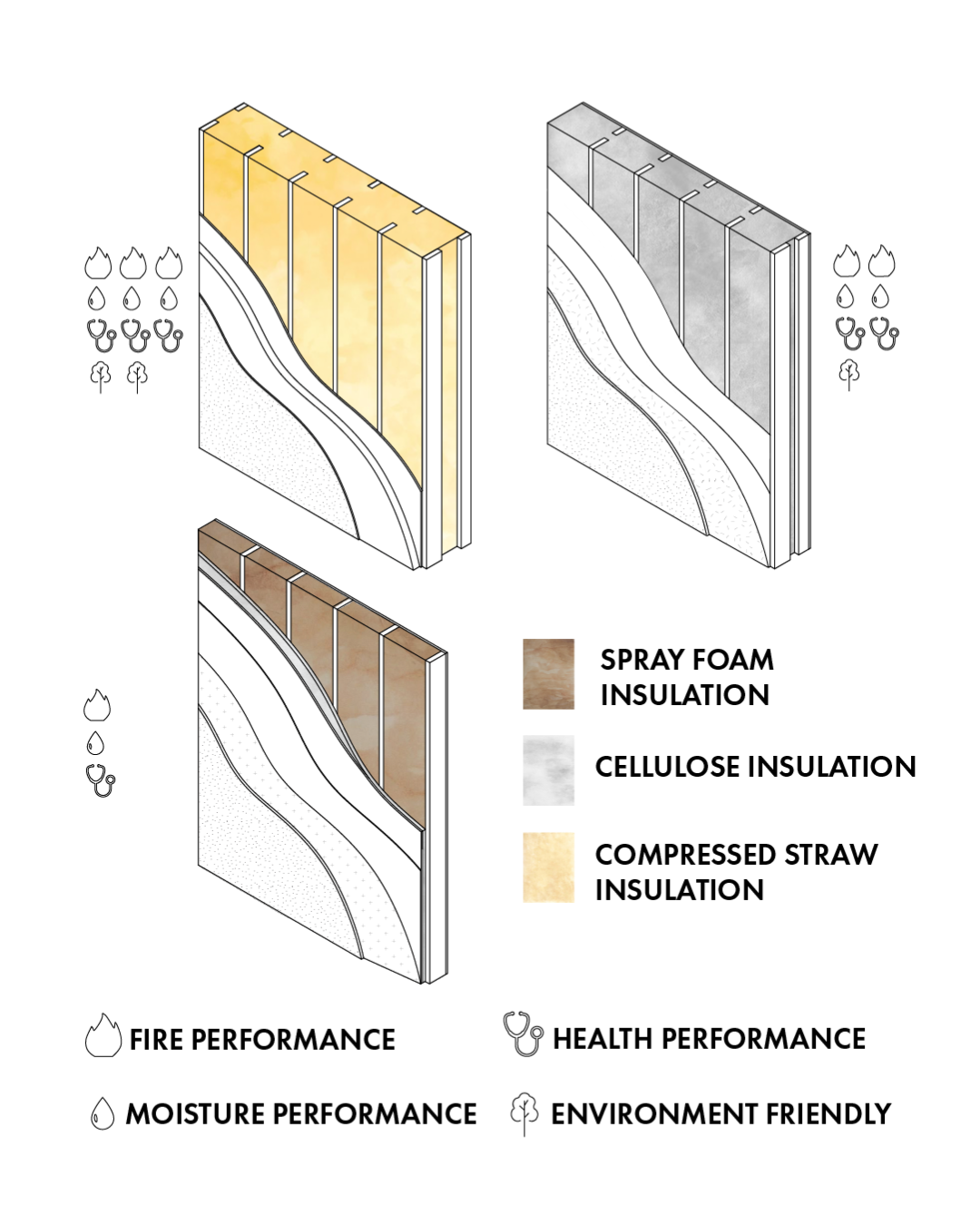
Choosing non-toxic, bio-based, and low-carbon materials can feel overwhelming. This discussion is about moving past fear or perfection paralysis to make informed, value-aligned choices that balance health, performance, and availability.
By understanding material toxicity, chemical content, and lifecycle impacts, participants will be motivated to specify products that reduce exposure to harmful VOCs and other pollutants, improve indoor environmental quality, and create durable, high-performing, and non-toxic spaces that safeguard occupant well-being.
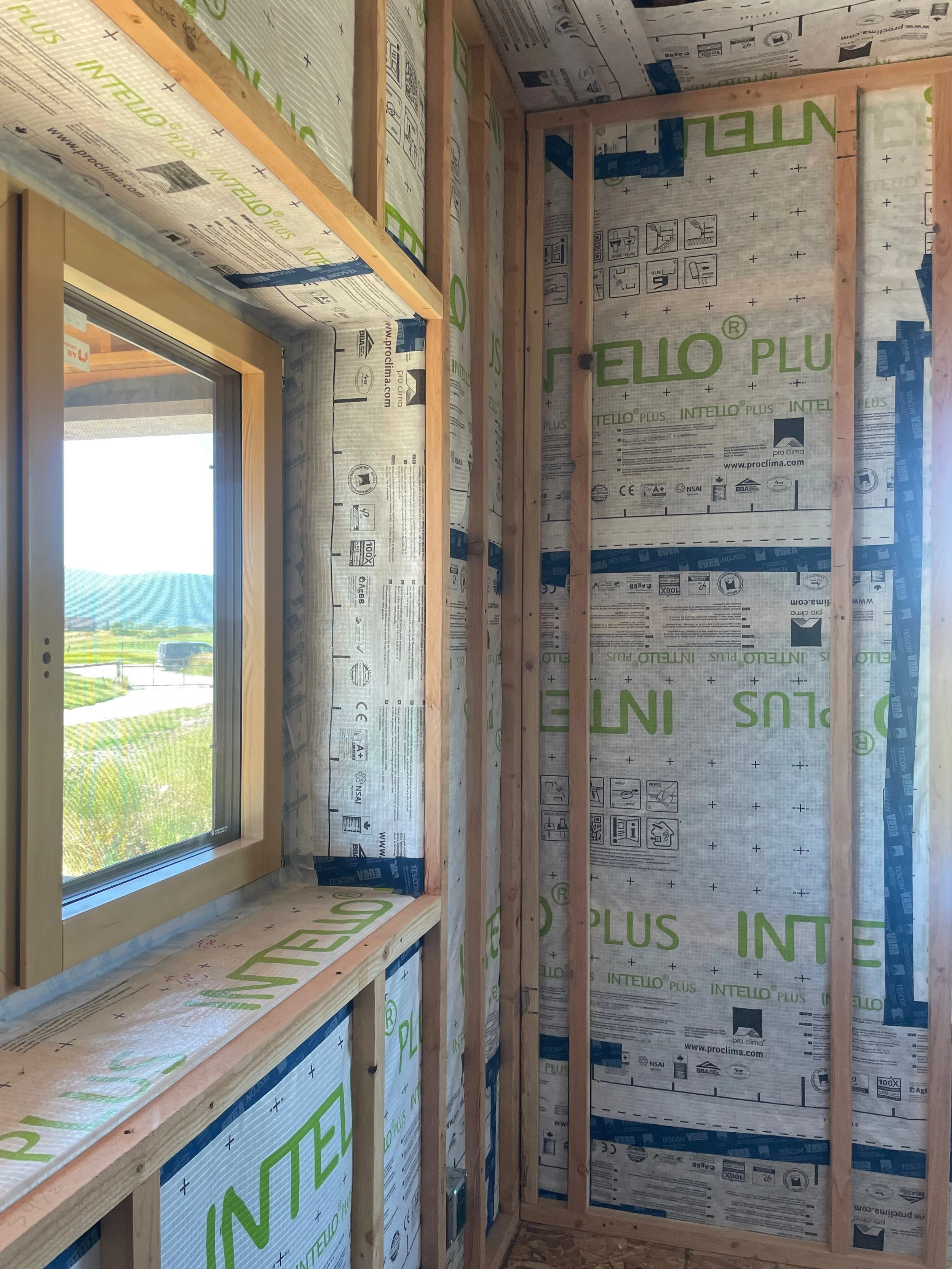
we’ll discuss principles of moisture management that can be easily applied without having a degree in building science.
Session 5 — oct 28
Process
Building with builders
Many sustainable and high-performance design strategies fail to deliver their intended public benefits due to gaps in construction-phase understanding, outdated practices, or lack of prioritization by builders. This session examines how insufficient contractor familiarity with current sustainable building systems, materials, and detailing can compromise occupant health, safety, and welfare. The course demonstrates technical communication methods, documentation strategies, and educational approaches architects & builders can use to convey the critical performance, safety, and life-cycle implications of sustainable design requirements to contractors & sub contractors, ensuring proper execution in the field.
Session 6 — nov 18
The Future
The market is changing
The final session centers on client engagement: how to explain the why behind performance-based design, price discussions, and position regenerative architecture as essential for long-term value, comfort, and climate resilience.
This course equips architects & builders with the tools and strategies to advocate for high-performance, regenerative design that prioritizes long-term value, environmental stewardship, and occupant well-being. By reframing sustainable features as core project values and aligning client expectations with performance outcomes, architects can promote design solutions that enable equitable access to energy-efficient, comfortable, and climate-responsive buildings, elevate the human experience through improved comfort, usability, and environmental connection, and benefit the environment by encouraging design decisions that reduce carbon impact and support long-term ecological health.
additional networking/discussion sessions will take place intermittently based on participants schedules.
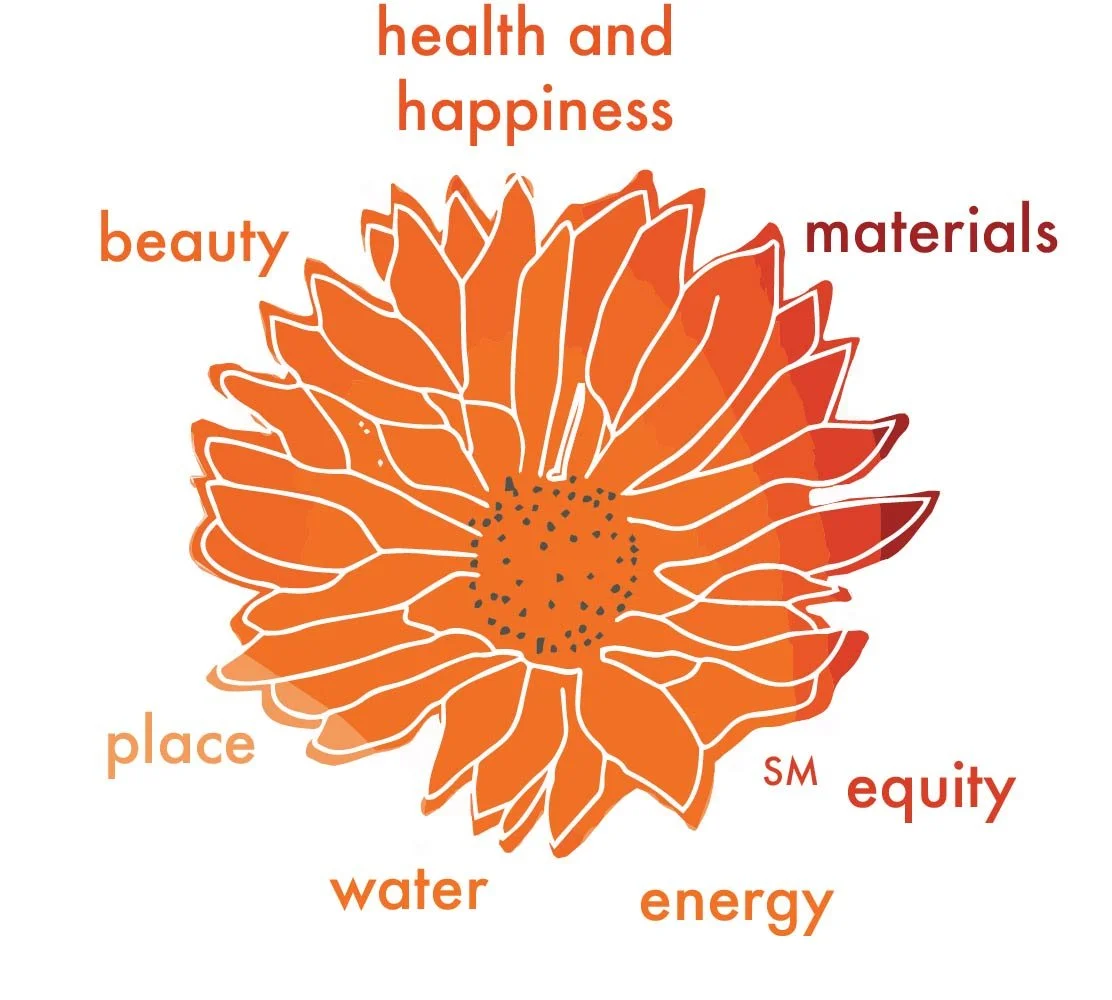
Lindsey is past president of AIA Idaho and currently serves on the AIA National 2030 working group. this course is designed based on the framework for design excellence but tailored to small firms.
a 6-part live discussion series for architects, builders & changemakers.
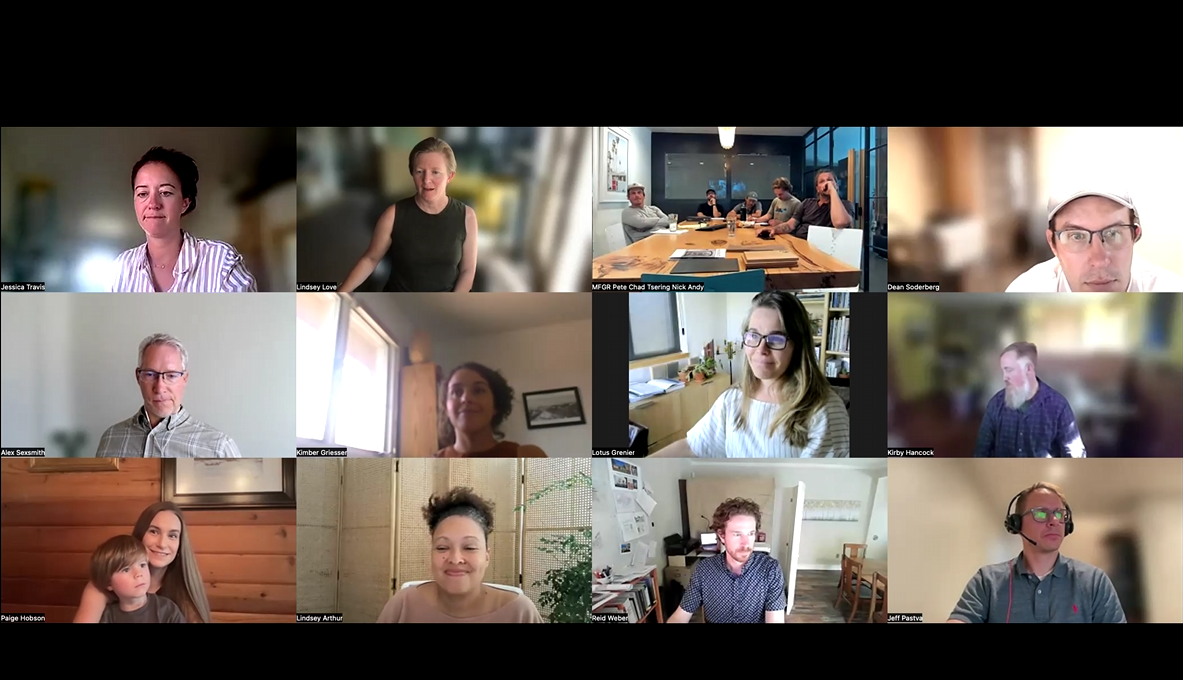
This is your invite to a live, monthly deep dive into the future of architecture & construction, Hosted in a casual, interactive format — think educational lunch with a purpose.